
What Makes a Painting Come Alive? 3 Facets of Resonant Paintings
What does it take to create a painting that comes alive? How can I make today the day it works and something on the paper speaks beyond language and touches the heart?
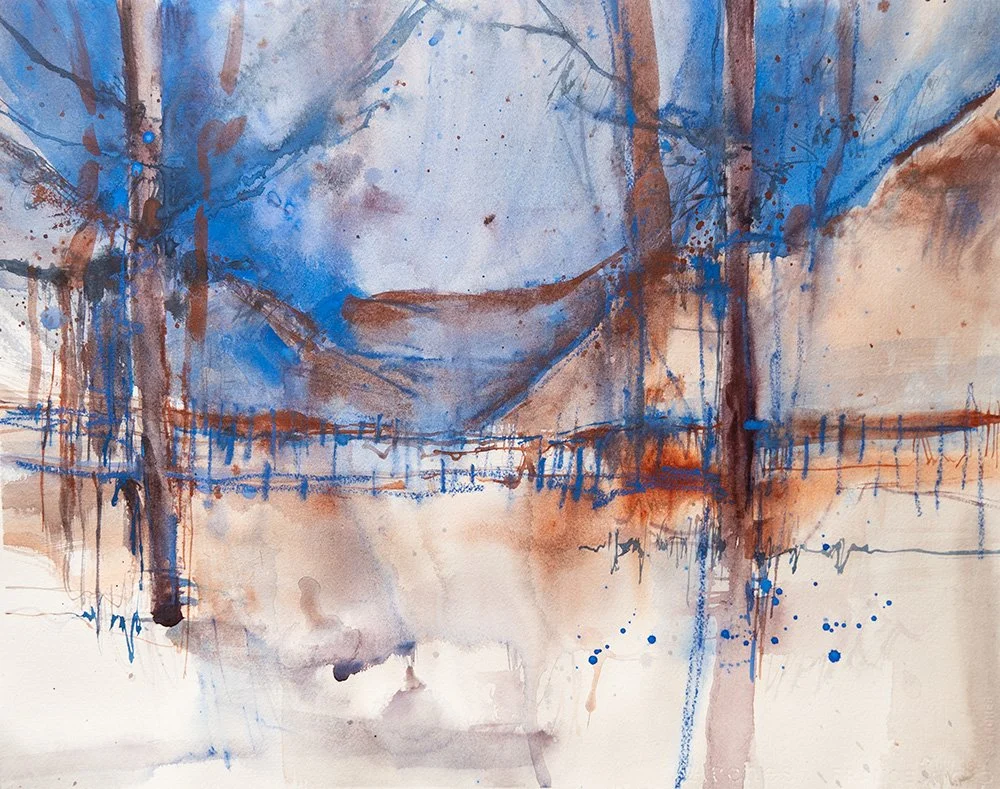
Maybe you've always made art with the humble goal of simply wanting it to look like the reference photo. And yet, when you do achieve a resemblance to your subject, you find you're also craving something more, a glimmer of resonance.
That resonance is the life of the artist, shining through the painting, and it's the passion, pursuit and gift of creativity. When it works, it's so beautiful, fragile and yet enduring.
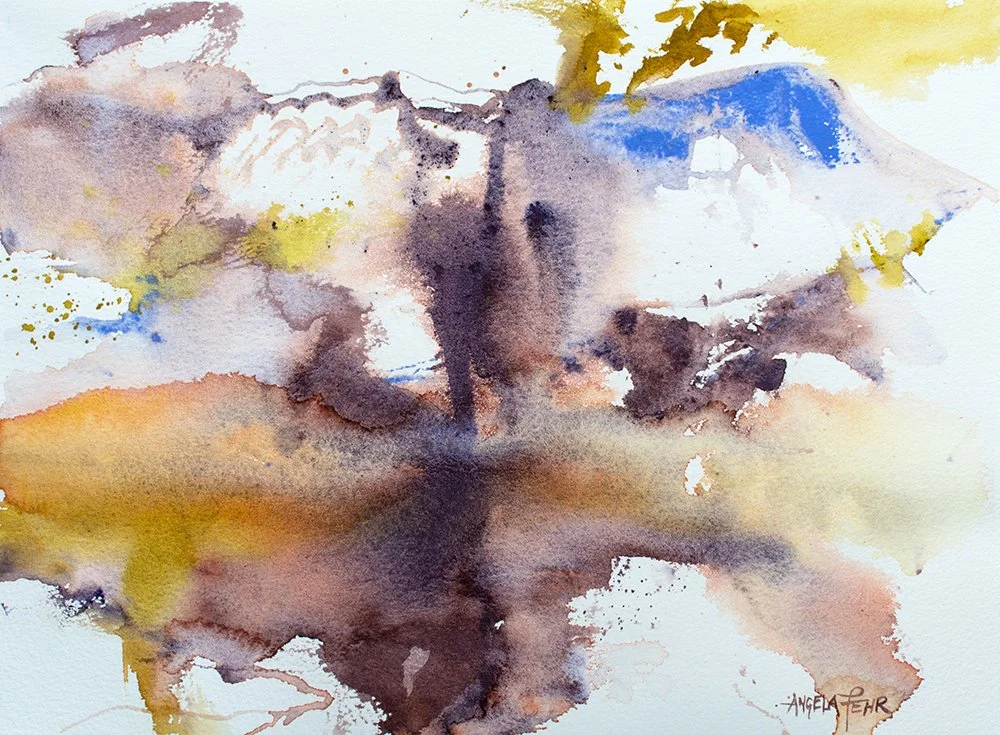
Nurture your artistic heart because that is where the life of the painting comes from. The heart of the artist is individual, unique and precious. Perhaps you've guarded it for decades, protecting it and shielding it from rejection and disappointment, from a world that shouts and voices that criticize. Perhaps your artist's heart is so protected that it only knows how to express itself for an instant before retreating back to where you've kept it hidden and safe.
Freedom of self-expression in my art hasn't come naturally to me; I learned early on that conformity felt safe, pleasing others was rewarding, and over time, the small voice that was truly mine became white noise against the demands of everyone else. That's why making art has become so transformational for me.
My studio space has become a place where I invite myself to lower my guard and be truly free to be myself. It's been a place of discovery; I'm constantly learning new ways of leaning into freedom and letting go of expectations or fear of judgment. And outside the studio, I'm changing too, letting myself show up more authentically, awkwardly and often messily.
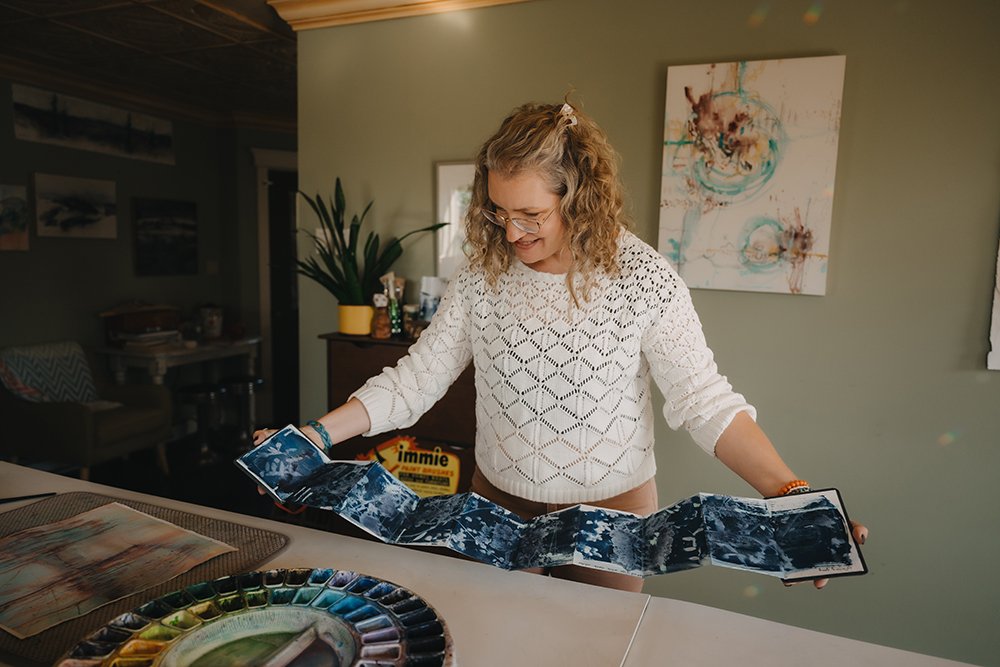
Just as a resonant painting shows the heart of the artist, even when it's not technically perfect - actually, a painting is more likely to resonate with heart when it has mistakes, messy parts - it's showing up authentically! So also has learning to let myself be seen enriched my life and relationships, and I'm so thankful.
When you let your heart into your art, things get messy. Most often, the resonant parts of my painting are found in the mistakes, and the choice I make to let that mistake be a part of the art. I've realized that I can have control, or I can let myself be seen and vulnerable, and in that place is where creativity is most free.
3 Facets of Resonant Paintings
If you are looking for resonance in your art, recognize that it's built on three factors.
Vision/receptivity. Foster a practice of attentiveness to what you want to express in your art. You are essentially learning how to identify what you connect with - where you are most sensitive and receptive to beauty or the idea you connect with. I call this, "learning to see like an artist." As you think about "how do I paint this?" take the time to ask "why do I want to paint this?" so that both can speak into your vision for the painting.
Expression/emotion. There's an idea you want to communicate, but even if you don't know what it is, or how to express it in words, you want to feel your responses to your art, and make your painting practice a safe space for your emotions. What I have experienced is that paintings created out of freedom of emotion often feel very vulnerable, but deeply meaningful.
Skill/technique. Every time you paint, your skills grow, offering more control over technique, and this control can become the taskmaster if not held in balance with the other two facets. Use your skill to support your vision and emotion and your paintings will show the heart you bring to your art.
I wish it was as easy as making a list. The truth is, developing this interconnected presence and finding the right balance between these different factors is a mysterious and unpredictable process.
When you enter your next painting session, I want to encourage you to think of this holistic process and ask yourself:
"What am I seeing/receiving?"
"What emotion is it engaging?"
Then, welcome yourself into a place of spacious exploration. Be present with those initial emotions, and from there, release all intention and focus on the emerging painting. Let yourself be instinctive, unplanned, and free. If that freedom leads to foolishness, welcome it. If you create a mark that would ordinarily be classified as a mistake, celebrate your boldness and let it exist as a reminder that to be human is to be flawed. Letting go of control is required to allow the heart of the artist to be revealed.
One of my favourite parts of teaching is looking for the artist's heart in my students' art. Even my newest painters have something personal and authentic asking to be seen in their paintings and when we discover it together, it creates an energy that is so life-giving.
What area of this resonant connection is the hardest for you to develop? What are you most conscious of? Let me know in the comments!